
Are You Ready to Build a Custom Home?
There’s a particular kind of excitement that comes with imagining your dream home built entirely around how your life is lived. Rather than rooms you’ve made work, buying furniture because it fits the space, not because you love it, and having the light come through your office window at the wrong time of day and blinding you — you get to build your ideal space. A space that reflects your households' routines, habits, and long-term plans rather than just making do with what was available at the time.
That excitement is real! Building a custom home is one of the best things you can do in a lifetime.
At the same time, building a custom home is one of the more demanding projects a household can take on. It carries financial weight, requires steady decision-making, and introduces a level of admin that isn’t always obvious at the outset. The creative side of the process often gets the most attention, but the structural, logistical, and financial layers are what hold it together.
Owning a lot or having a clear aesthetic direction is part of the picture. But readiness usually extends further than that.
Financial Readiness Is About Structure, Not Just Budget
Budget conversations tend to focus on a single number, when in practice, readiness is less about the number itself and more about how the project will be funded and managed over time. Construction financing operates differently than a traditional mortgage. Funds are typically released in stages, tied to progress milestones. This means documentation, coordination, and timing become part of the rhythm of the build.
Cash flow during construction also deserves consideration. Decisions made along the way [whether upgrades, refinements, or adjustments] can influence timing and overall allocation. Having a realistic contingency plan is less about expecting problems and more about acknowledging that custom projects carry variables, and even individuals with great decision-making skills can change their minds over time. Especially when you’re in the homebuilding zone and learning new things.
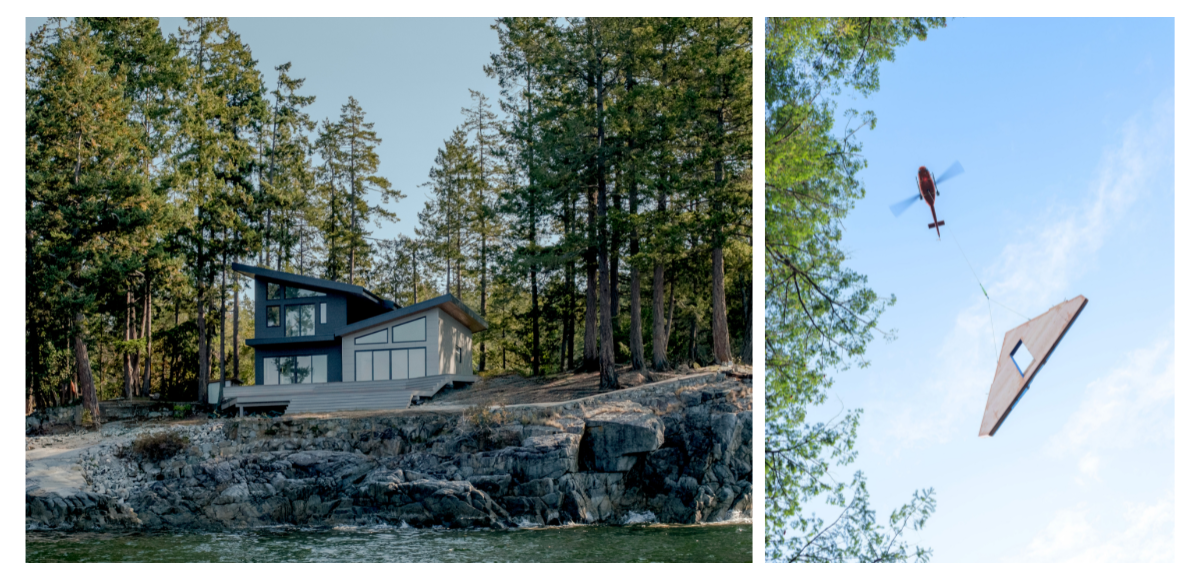
On the Sunshine Coast, those variables might include soil conditions, drainage strategies, or municipal review timelines. These are manageable factors, but they benefit from foresight.
At Lincoln Construction we use digital systems like BuilderTrend to keep budgets, selections, and schedules visible and organized. That transparency works best when it runs both ways. When financing is clearly understood and expectations are aligned from the beginning, the build tends to feel steadier and there are fewer surprises.
For projects operating within defined budgets (which is most of them!) homeowner engagement becomes especially important. Clear priorities and thoughtful decision-making protect both cost and outcome. We have found that the builds that have the higher customer satisfaction are the ones where the homeowners have taken the time to check in on their project regularly: reviewing the job costing and daily logs weekly, visiting the site from time-to-time, and providing their project manager with timely feedback.
Emotional & Mental Capacity Matter More Than Expected
One of the more underestimated aspects of building is the volume of decisions involved. It’s easy to picture the final selections—finishes, fixtures, and details—but many of the most important decisions happen earlier and feel less visible. Structural systems, energy performance targets, window placement, mechanical strategies. These conversations shape comfort and durability long before final touches are discussed.
Over time, the accumulation of choices can feel heavier than anticipated. That feeling doesn’t signal a problem; it reflects the thoroughness of the process but there are moments of excitement, moments of uncertainty, and occasionally moments of fatigue. Construction unfolds over months, and sometimes longer. Permitting timelines shift, weather can play a role, material availability (or cost!) changes.
What steadies that process is trust in your chosen team and in the plan. When homeowners understand that not every detail needs to be resolved immediately, but that each will be addressed thoughtfully, the experience becomes more collaborative and less overwhelming.
Lifestyle & Timing Considerations
Capacity is another part of readiness that isn’t always obvious in the early stages. Even with strong project management, building a custom home requires involvement. There will be meetings, site visits, selections, and reviews. For families balancing careers, children, or travel, it helps to consider whether the current season of life can accommodate that level of engagement. Particularly for those of our families who are living off-Coast.
Living arrangements during construction also influence timing. Major renovations may require temporary relocation. Custom builds often require travel to site and coordination with consultants. None of these factors prevent a project from moving forward, but they do influence how it feels while it’s underway.
Permitting timelines on the Sunshine Coast can vary depending on the municipality and complexity of the project. There is rarely a perfect moment to begin. There is, however, value in beginning with awareness.
Signs Readiness Is Forming
Readiness doesn’t usually arrive as certainty. It develops gradually. When conversations begin to move beyond inspiration and toward logistics, that shift matters. When questions evolve from “What would it look like?” to “How would it actually work?” preparation is taking shape. The focus becomes less about starting quickly and more about starting well.
We’ve seen projects strengthen because homeowners chose to pause briefly, refine scope, confirm financing, or align internally before moving forward. When they returned to the table, the process felt more stable, and starting the project felt much more realistic.
Lincoln Construction’s Perspective
Building a custom home is collaborative by nature. The builder brings technical knowledge and coordination experience. The homeowner brings vision, priorities, and long-term perspective. When both sides enter the process with financial, practical, and emotional clarity, the project tends to feel steady and manageable.
For those evaluating where they stand, a speculative consultation can provide context without pressure. Sometimes readiness isn’t about having all the answers but more about understanding the questions that will come up ahead.
5 Signs You Might Be Ready to Build a Custom Home
Readiness doesn’t usually arrive all at once but takes shape gradually as you learn more, often showing up in small but meaningful shifts in how you think about the project.
Here are a few signs that the timing might be right to start moving things forward:
1. Your questions have become more practical than aspirational
You’re no longer just saving inspiration. you’re asking how things work. Questions around financing, budget ranges, timelines, permitting, and process are starting to feel more relevant than finishes or style alone.
2. You have a clear (even if flexible) financial plan
You don’t need every number finalized, but you understand how the project will be funded, what a comfortable range looks like, and where you have flexibility if needed.
3. You’re thinking about how you want to live, not just what you want the home to look like
Layout, light, flow, and long-term use are becoming part of the conversation. The focus has shifted from aesthetics to how the home will actually support your day-to-day life.
4. You have the time and capacity to stay engaged in the process
You’re in a season where you can participate in meetings, review decisions, and stay connected to the build as it progresses, even if that involvement is structured and supported.
5. You’re comfortable starting without having every detail figured out
You understand that not everything needs to be resolved on day one, and that the right team will help guide decisions along the way. There’s a level of trust in the process, even if some unknowns remain, and you’re excited to work with a team who can fill in the blanks along the way.
Ready to start the conversation?
Not sure where you sit? Book a speculative consultation: no commitment, just clarity on where you are in the journey → BOOK A CALL WITH KALE
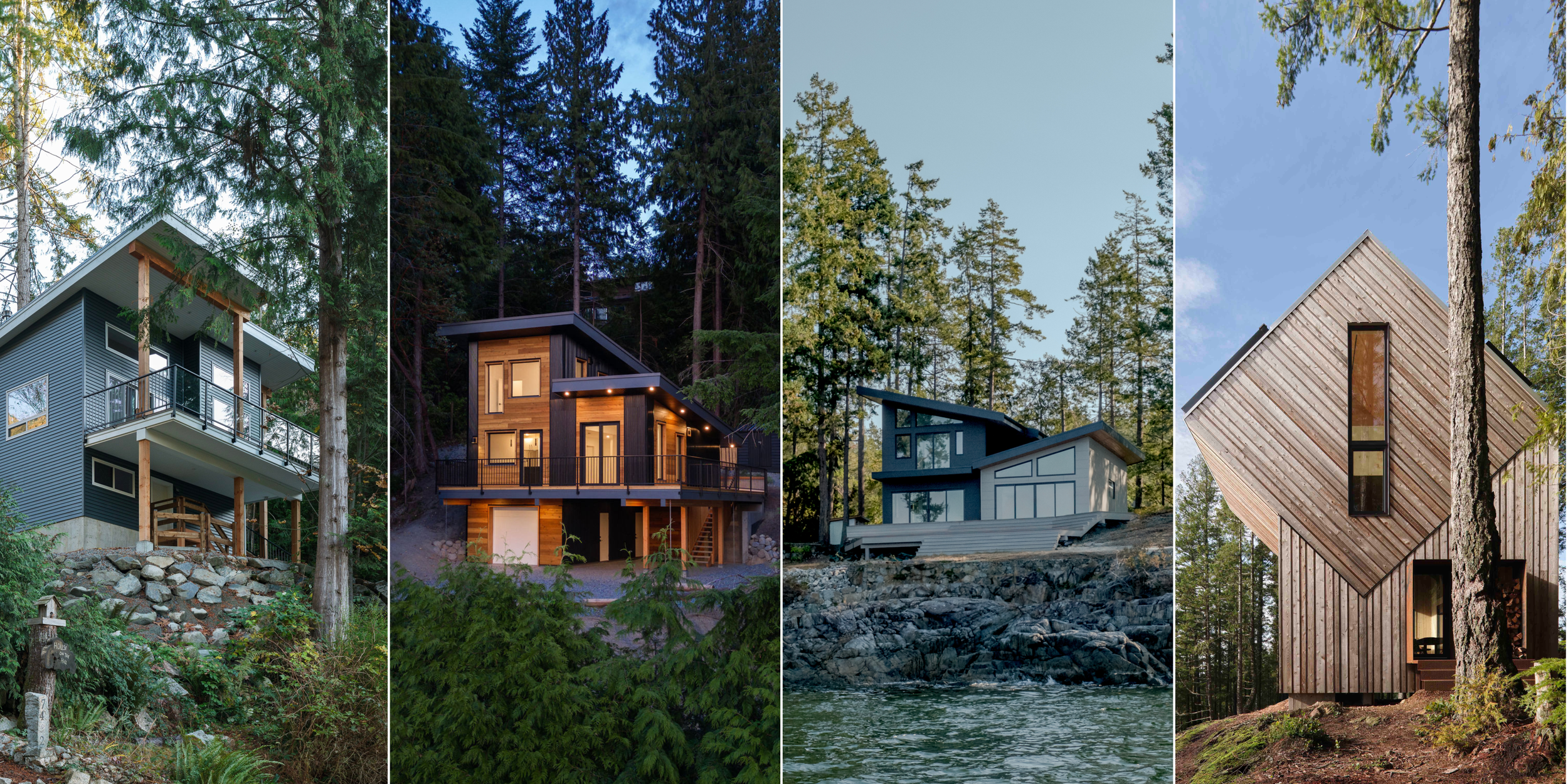
Browse our completed homes on the Sunshine Coast to see what's possible → EXPLORE OUR PROJECTS